In Eastern Kentucky, political battles over disaster aid have flood victims feeling left behind
In the aftermath of deadly floods, Kentucky residents are caught in the middle while disaster aid is held hostage.

NOTE: This story was originally published in February of 2025.
Updated 2/24/25 at 9:27 pm: The Trump administration reportedly approved the state’s expedited Major Disaster Declaration request this evening.
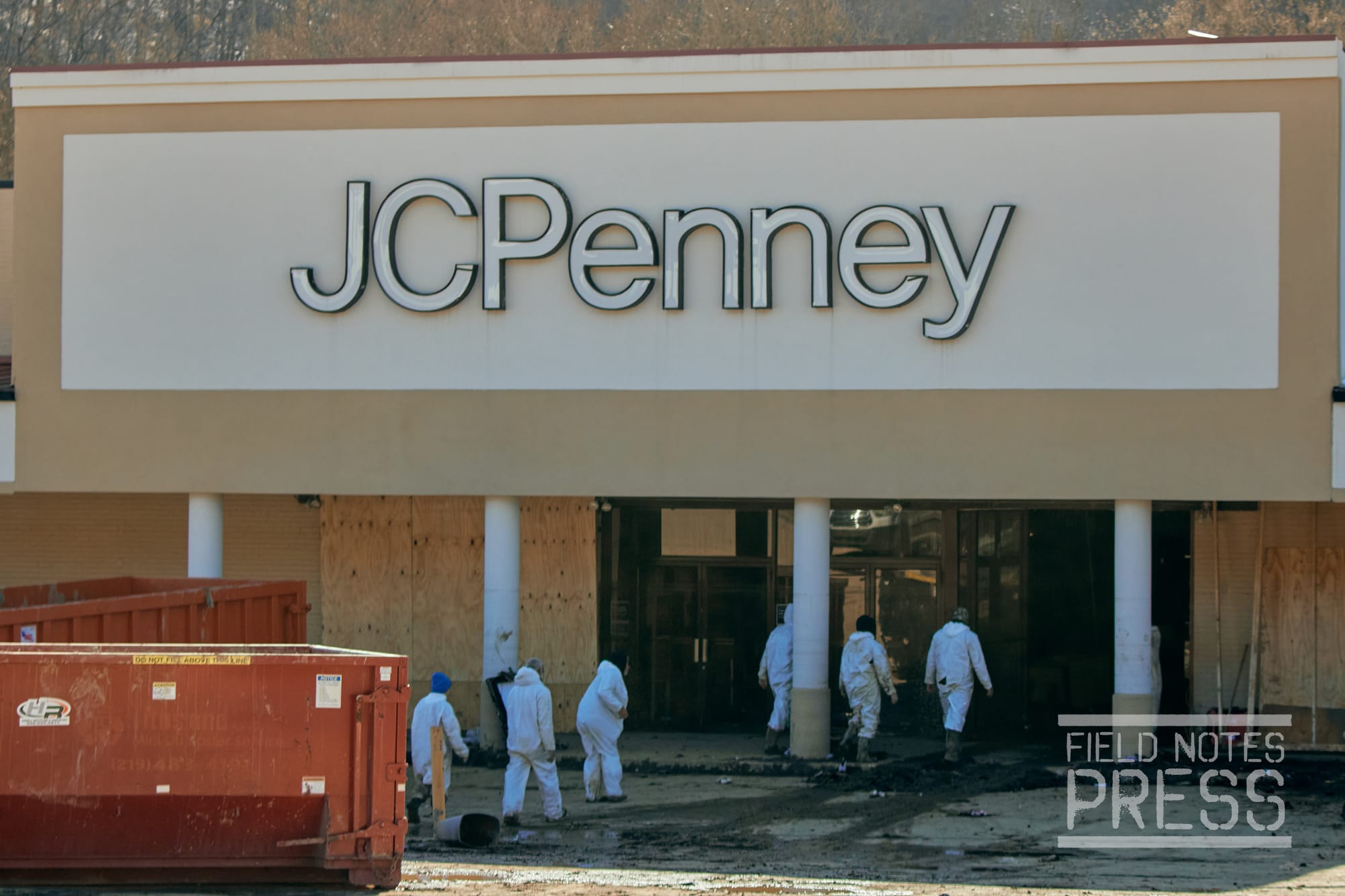
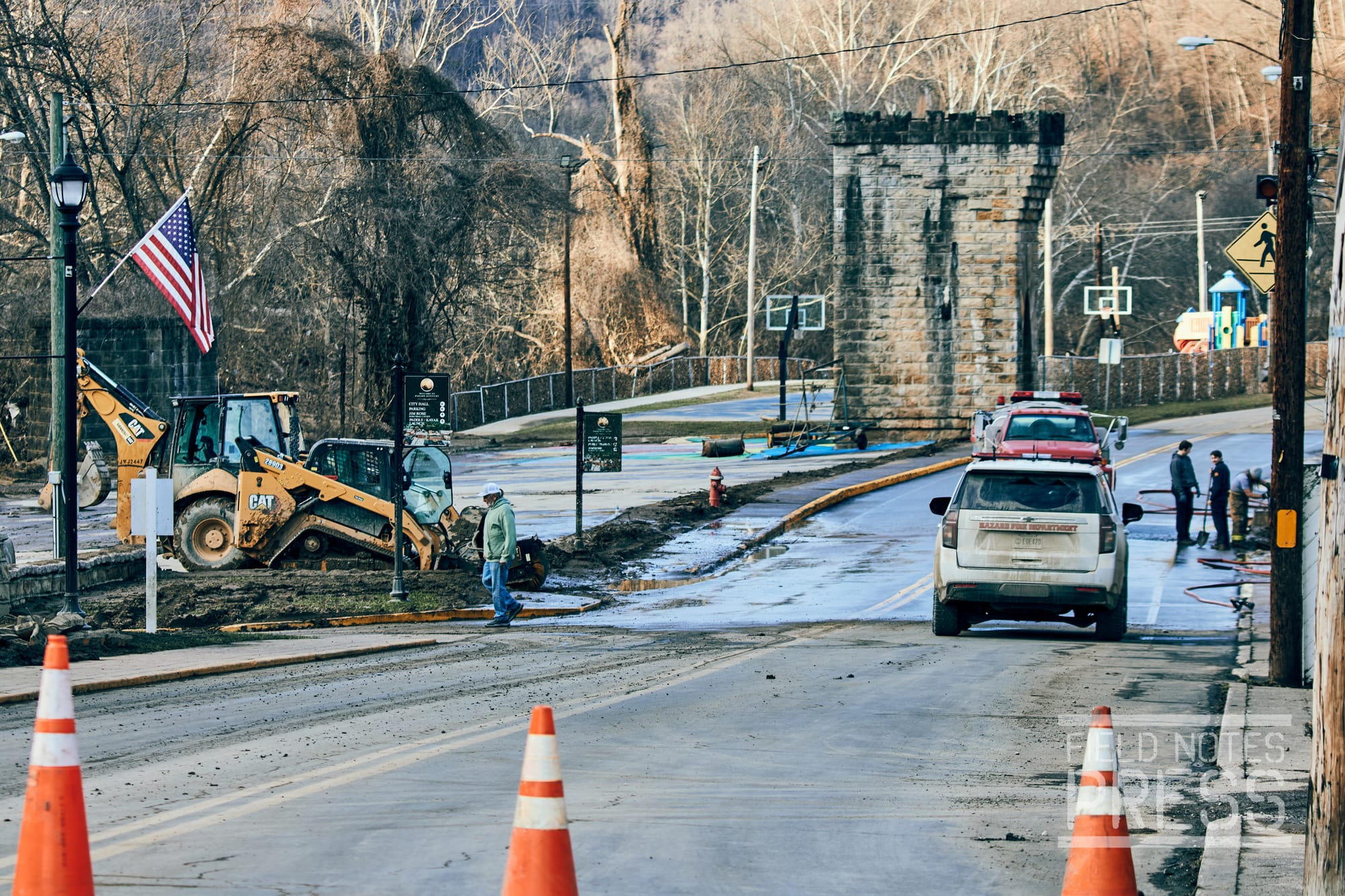
HAZARD COUNTY, Ky. — More than a week after flood waters left nearly two dozen people dead and thousands of homes and businesses in ruin, residents in eastern Kentucky are being left with more questions than answers as they begin the long and difficult process of recovering and rebuilding.
Last week’s deluge was not the first encounter with floodwaters for many residents of the region. In July of 2022, many of the same counties were inundated with nearly 16 inches of rain over a 5-day period, leading to catastrophic floods that killed 39 people and caused millions in damage.
In the aftermath of the 2022 flood, public assistance for state and local governments, as well as aid to individual victims from the Federal Emergency Management Agency was crucial to recovery efforts. That aid provided housing, financial, and logistical support to those affected, and provided government agencies with resources needed for debris removal, public health, and infrastructure repair.
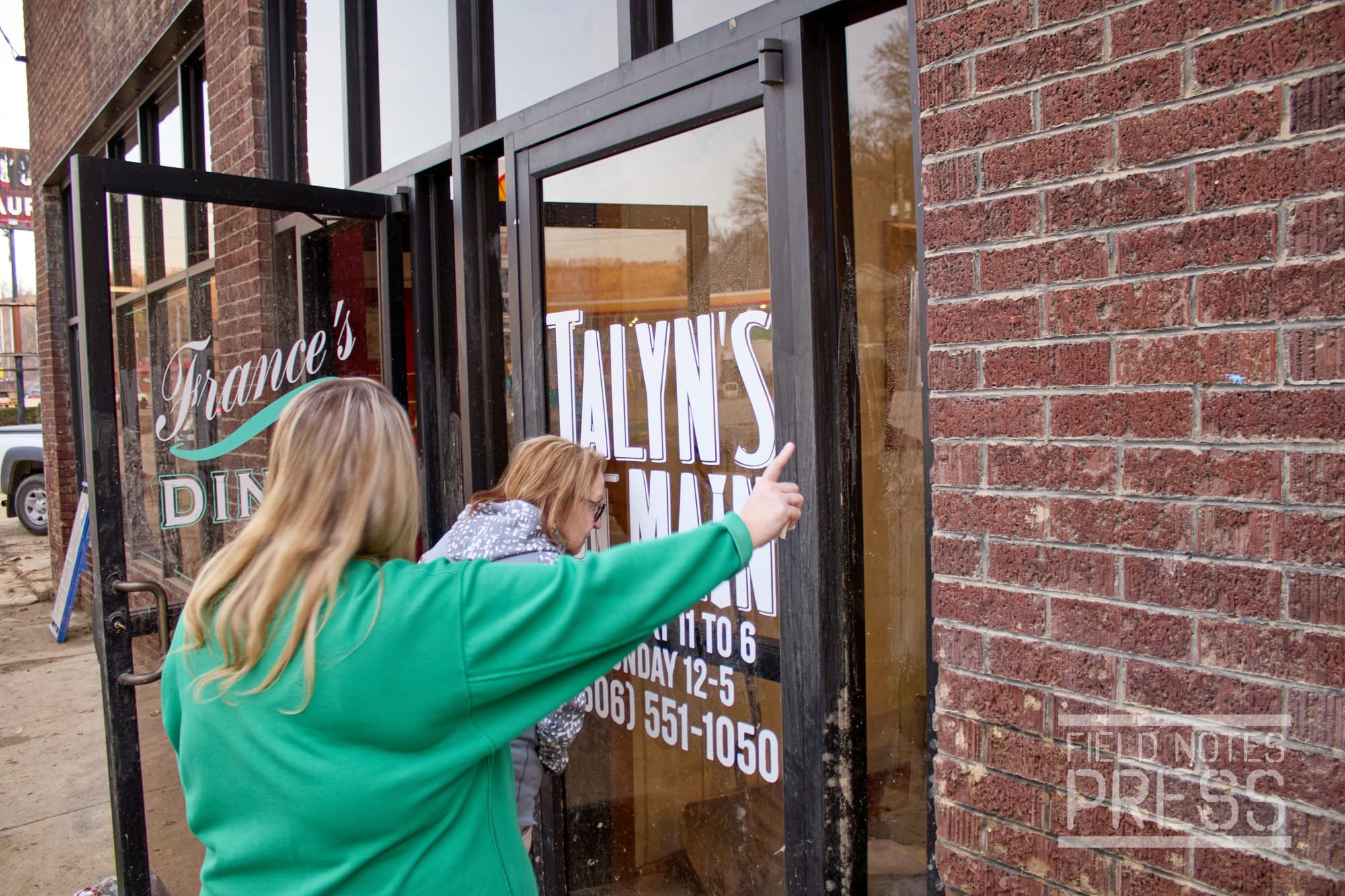
“This time is different,” Stephanie Callahan, who owns two clothing boutiques that were destroyed in the town of Hazard, said of the response by government officials to the ongoing disaster. “It’s like we’ve been ghosted.”
Callahan’s husband Wes praised local recovery efforts, while also noting the lack of a larger government response. “Our local emergency folks, our mayor, our county judge, have been great at doing the best they can with what they’ve got. But we haven’t seen anybody else here, not the governor, not FEMA, nobody.”
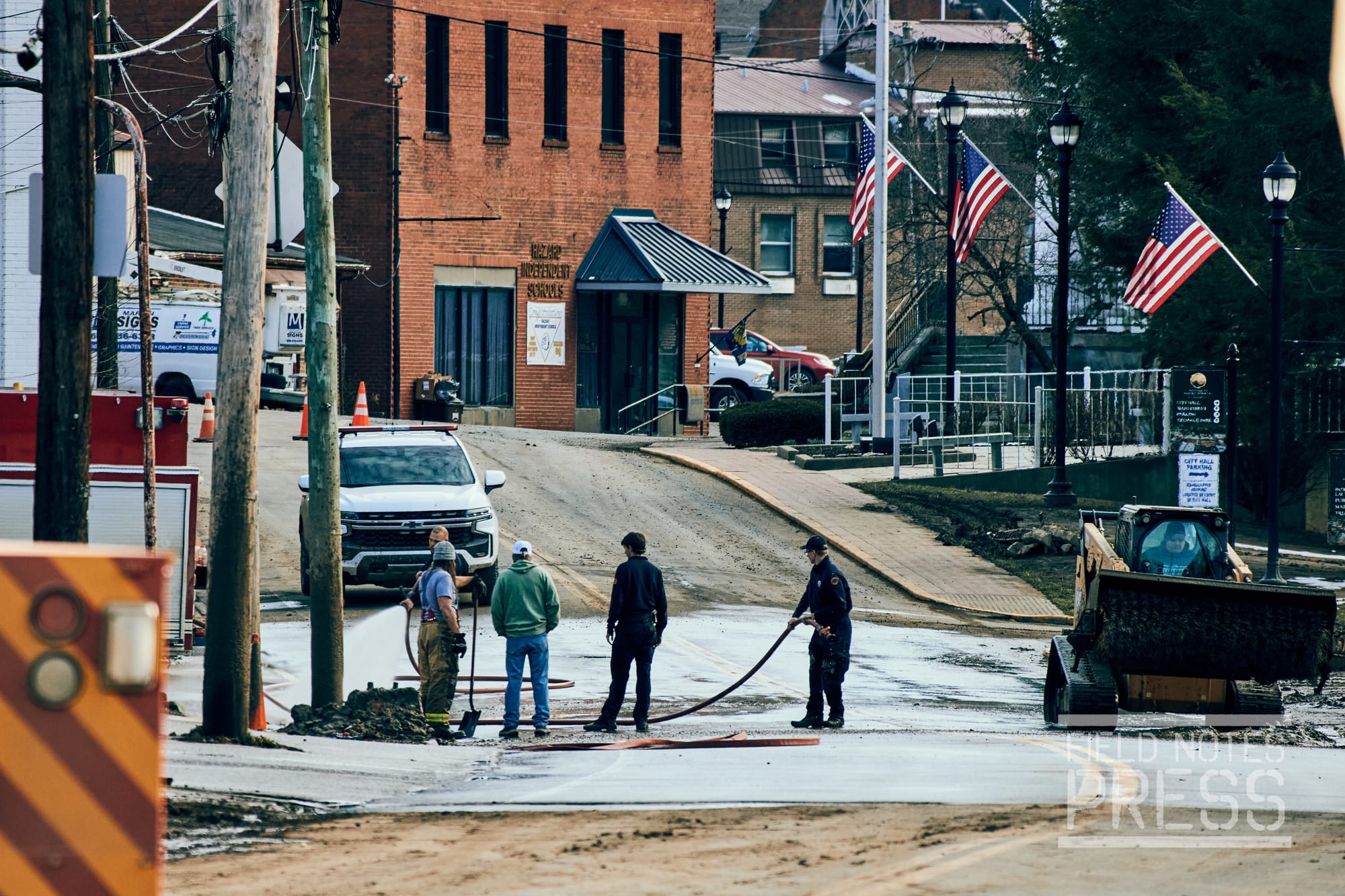
Emergency management officials in nearby Pike County confirm that while federal resources were active throughout the search-and-rescue phase of the disaster, the region has not yet seen FEMA personnel on the ground to assist with recovery operations. On Sunday, Pike County Emergency Manager Nee Jackson said that he’s been given no estimate as to when individual assistance or housing support from FEMA will become available. “As of the last briefing I received, we were told that there’s been no declaration, so there’s nothing they can do.”
A Major Disaster Declaration signed by President Donald Trump is required for those federal resources to be released. At a press conference Monday morning, Kentucky Gov. Andy Beshear announced that the President had not yet approved his request for an expedited declaration, and that no individual assistance to victims will be available until that declaration comes.
A review of public records documenting FEMA’s response to recent disasters in Kentucky appears to reinforce Callahan’s concerns. In response to the 2022 floods, former President Joe Biden signed an expedited major disaster declaration within three days, and FEMA disaster response personnel had opened mobile assistance centers and were inspecting damaged homes before flood waters fully receded. Tornado outbreaks and floods in the state in 2021 also received expedited major disaster declarations and federal aid within a matter of days.
FEMA’s Federal Coordinating Officer for Kentucky, Jeremy Slinker, declined to comment when asked directly about the apparent disparity in responses from his agency. A FEMA spokesperson did however confirm that the agency received the Governor’s request for an expedited declaration on February 17th, adding that “a decision will be made as quickly as possible and will be announced by the President.”
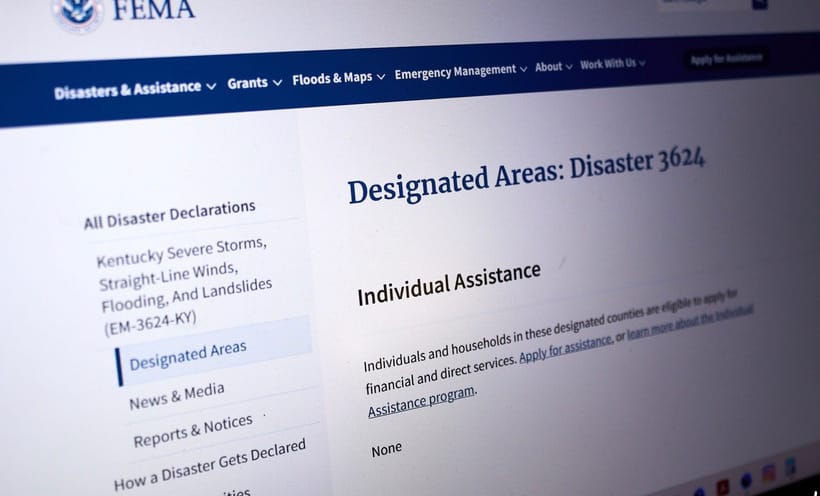
The Governor’s office would also not comment on reasons behind the apparent delay. Privately, however, local government officials are concerned that the lack of aid may be in retaliation for perceived slights against Trump by the Commonwealth’s political leaders. Kentucky’s recent decision to join 23 other states in a lawsuit against the Trump administration over its freeze of federal funds, and state Sen. Mitch McConnell’s (R-Ky.) public split with the President over cabinet nominees and use of tariffs continues to fuel speculation that federal aid will be delayed indefinitely, if it arrives at all.
Much is at stake. A 2023 report by the Ohio River Valley Institute and the Appalachian Citizens’ Law Center estimated a total cost of $450 to $950 million to rebuild damaged homes and businesses in southeastern Kentucky after flooding in 2022, a disaster for which the state received approximately $300 million in federal recovery aid.
It appears unlikely that the state’s budget would be able to absorb the impact of a disaster of this magnitude on its own. Earlier this month, Gov. Beshear signed into law a bill that cut the state’s individual income tax by one-half percent, a move that economists with the Kentucky Center for Economic Policy say will cost the state $718 million through 2027 and had urged lawmakers to reconsider in the face of a potential economic downturn. Representatives for the Governor did not respond to a request for comment Monday on the state’s ability to provide for recovery and rebuilding in the absence of federal aid.
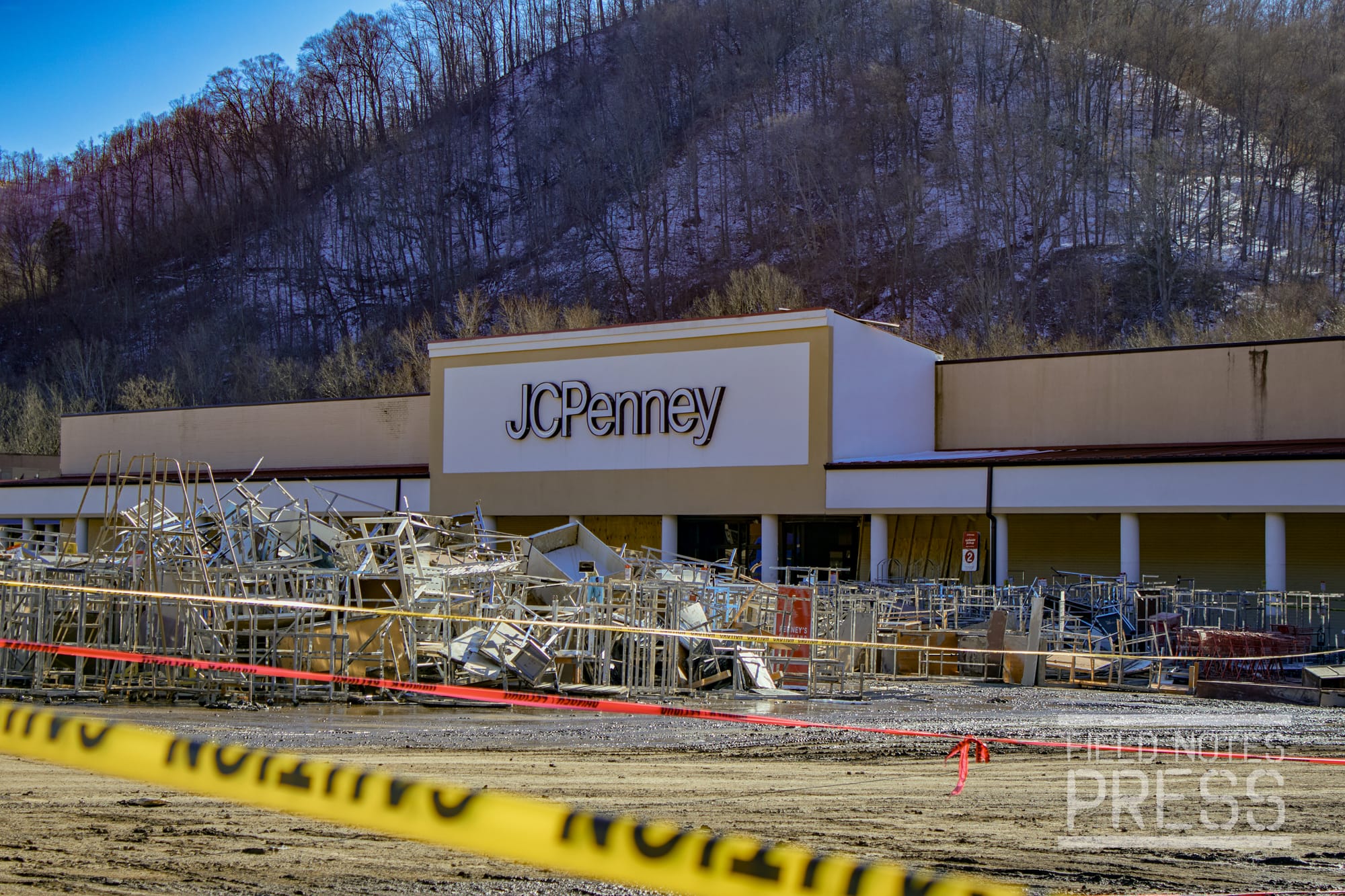
The uncertainty of when and if aid will come has left many in the hardest hit communities feeling abandoned.
On the outskirts of Pikeville, Scott, a hardware store manager who did not want to give his last name, attempted to salvage what he could from what was left by the floodwaters that inundated his business. “I put my heart and soul in this place for the last four years man,” he said. “I’m just trying to figure out how not to cry. We’re out here in the sticks. Nobody cares about us.”